 Skip to content


Last Updated: 8 November 2026
Quick Summary
A car immobiliser is an electronic security system that stops the engine starting unless the correct key is present. A transponder chip in the key sends a coded signal that the immobiliser module and engine control unit check before allowing fuel and ignition to run.
- The key’s transponder chip has no battery and is powered by the ignition antenna ring.
- The engine control unit is the final gatekeeper, so a module fault can stop a car with a good key.
- Rolling-code systems change the code after each use, which makes cloning harder.
- A new key must be programmed to the immobiliser before it will start the engine.
- A flat fob battery is the simplest first check when the key is not recognised.
Table of Contents
- What a Car Immobiliser Is and Why It Exists
- How the Key, Transponder Chip and Engine Control Unit Communicate
- The Authentication Sequence, Step by Step
- Types of Immobiliser: Transponder, Rolling-Code, Keyless and Network Systems
- When a Car Key Is Not Recognised by the Immobiliser
- Car Immobiliser Problems and What the Warning Light Means
- Car Immobiliser Light Flashing: Causes and Safe First Checks
- Car Key Programming After a Loss or Replacement
- Frequently Asked Questions
What a Car Immobiliser Is and Why It Exists
A car immobiliser is an electronic security system that stops the engine from starting unless the correct key is present. To see how the key chip and control module work together, read how transponder key immobiliser systems work.
The system exists to make car theft harder. Before immobilisers became common, a thief could often start a car by bypassing the ignition or using a simple tool.
Immobilisers are sometimes confused with car alarms, steering locks and tracking devices. They do different jobs.
How the Key, Transponder Chip and Engine Control Unit Communicate
Inside most car keys, and often in the plastic head of the key fob, there is a small transponder chip.
The chip replies with its code. The antenna picks up that reply and passes it to the immobiliser control module, which is usually linked to the engine control unit (ECU).
This exchange takes a fraction of a second, which is why the process feels instant to the driver.
The Authentication Sequence, Step by Step
The sequence below describes how a typical transponder system checks a key. Details vary between manufacturers, but the general pattern is consistent.
- Key inserted or fob detected. The antenna ring around the ignition barrel, or a proximity sensor in a keyless car, detects the transponder in the key or fob. At this point nothing has been verified; the system only knows a token is present.
- Power sent to the chip. The antenna transmits a low-frequency signal that energises the chip. Because the transponder has no battery of its own, this induced power is what lets it reply. A weak or damaged chip may fail here before any code is sent.
- Code transmitted. The chip sends its stored code back to the antenna. In a rolling-code system the code is derived from a counter and a secret key, so the value changes on each use.
- Code passed to the control module. The immobiliser module receives the code and checks it against its memory of registered keys. This is the first point at which the system decides whether the token is known.
- Verification. The module confirms whether the code matches a registered key. In a rolling-code system it also checks that the counter is ahead of the last accepted value, which is what stops a recorded signal being replayed.
- Message to the ECU. If the code is valid, the module tells the engine control unit that starting is permitted. If not, the ECU blocks fuel delivery or ignition. The ECU is the final gatekeeper, which is why a module fault can stop a car even when the key is good.
- Engine starts or stays off. A valid key lets the engine run. An invalid key results in a no-start condition, often with a warning light on the dashboard.
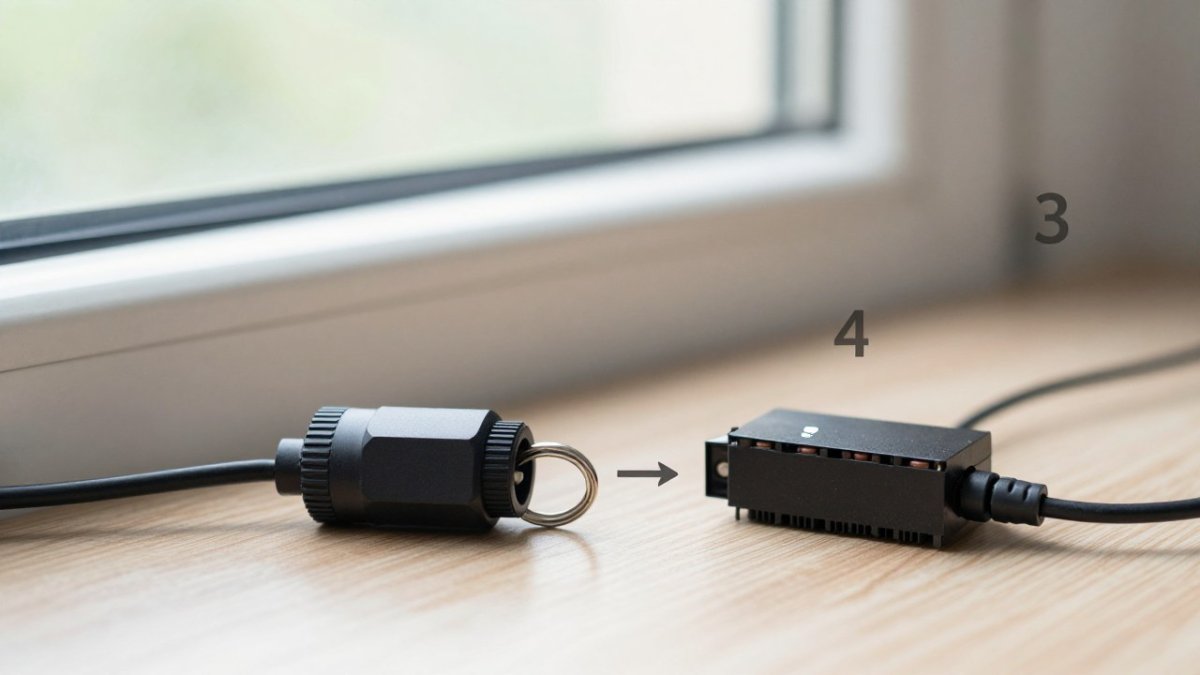
A useful way to read the sequence is by failure point.
The table below sets out each stage of the check, what happens there, and the common failure point, so the sequence is easy to scan.
| Step | What happens | Where it can fail |
|---|---|---|
| 1. Key inserted or fob detected | Antenna or proximity sensor detects the transponder | Nothing verified yet; token only detected |
| 2. Power sent to the chip | Antenna energises the chip, which has no battery | Weak or damaged chip may fail here |
| 3. Code transmitted | Chip sends its stored code back to the antenna | Chip fault stops the code being sent |
| 4. Code passed to the control module | Module receives the code | Antenna or wiring fault |
| 5. Verification | Module checks the code against registered keys | Unprogrammed key fails here |
| 6. Message to the ECU | Valid code permits starting; invalid blocks fuel or ignition | Wiring or module fault between module and ECU |
| 7. Engine starts or stays off | Valid key lets the engine run | ECU fault can stop the car even with a good key |
Types of Immobiliser: Transponder, Rolling-Code, Keyless and Network Systems
Immobiliser systems differ in how they exchange and protect the key code.
- Standard transponder systems use a fixed code stored in the key chip. They are common in older cars and are reliable, but a fixed code is easier to copy than a changing one.
- Rolling-code systems change the code after each use. They make cloning harder and are standard in many newer vehicles.
- Keyless systems use a proximity fob, often allowing push-button start. The car checks for the fob by radio when the driver is nearby, and the immobiliser still performs authentication before the engine starts.
Knowing which type a car has helps when diagnosing a fault or arranging a replacement key. Because the systems are vehicle-specific, the correct programming method depends on the model and year.
When a Car Key Is Not Recognised by the Immobiliser
When a key is not recognised, the engine will not start and the dashboard may show a key symbol or message. Several causes are common, and many can be checked before calling for help.
- Flat key battery. Fobs have batteries that can run down. This affects remote locking and sometimes keyless starting. Try a fresh battery first.
- Damaged or worn key. Dropped or heavily worn keys can lose their transponder connection.
- Signal interference. Metal objects, phone chargers or other electronics placed near the key can sometimes interfere with the signal. Try removing other items from the key’s surroundings.
If the key still fails after these checks, the cause is more likely to be in the immobiliser or the key programming. A professional diagnosis is then the safest route.
Car Immobiliser Problems and What the Warning Light Means
The immobiliser warning light is usually a key or padlock symbol. It can mean different things depending on how it behaves.
- Light stays on when the ignition is switched on. This often points to a key not being recognised or a fault in the system.
- Light flashes when the engine is off. This is normally a sign that the system is armed, and it is expected behaviour in many cars.
- Light flashes continuously while driving or starting. This can indicate a fault that needs attention.
Common problems include a faulty key transponder, a failing antenna ring, wiring damage at the steering column, or a control module fault.
Car Immobiliser Light Flashing: Causes and Safe First Checks
A flashing immobiliser light is often the first thing a driver notices, so it is useful to know what to check safely. Start with the simplest possibilities.
- Check the key battery. Replace it if the fob is weak.
- Try the spare key. If the spare starts the car, the original key may be faulty.
- Inspect the key for damage. Look for cracks in the fob or wear on the key head.
- Remove other keys and metal items from the ignition area. Heavy key rings can interfere with the signal.
- Check whether the light is flashing only when the car is off. This can be normal.
Avoid repeatedly turning the ignition on and off or attempting to force a key into the barrel. If the light keeps flashing, the car will not start, or you are unsure of the cause, arrange a professional check.
Car Key Programming After a Loss or Replacement
When a car key is lost or a replacement is needed, the new key must be programmed to the immobiliser before it will work.
How the pairing is done depends on the vehicle’s age and system type. Three broad patterns cover most cars:
- Owner-led pairing with two working keys. Some older and mid-age models allow a new key to be added by following a set sequence using two already-registered keys. The procedure is usually in the handbook, and it works because the immobiliser trusts a request that comes from two known keys.
- Diagnostic equipment pairing. Most newer vehicles require a diagnostic tool connected to the OBD port to add or replace a key. The tool talks to the immobiliser module and writes the new key’s code into its memory. This is why a locksmith or dealer needs the car present, not just the key.
- All-keys-lost reset. Where every key is gone, the immobiliser may need to be reset or the module accessed directly before a new key can be registered. This is the most involved case and the one where vehicle-specific procedures matter most.
Spare-key planning is worth doing before a loss happens.
Because the systems are vehicle-specific, the correct programming method depends on the model and year.
Many people look at dealership replacement first. For programming after a loss, you can explore automotive locksmith services in South West Wales, including key replacement and programming.
Frequently Asked Questions
How does a car immobiliser work?
A car immobiliser stops the engine from starting unless the correct key is presented. The key contains a transponder chip holding a coded signal. When the key is turned or the start button pressed, the vehicle’s immobiliser control unit sends a challenge to the chip. If the chip returns the matching code, the engine control unit is allowed to enable fuel and ignition. If the code is missing or wrong, the engine stays disabled, even if the starter motor turns. This is why a cloned or incorrect key will not start a factory-fitted system.
What happens when a car key is recognised by the immobiliser?
When the immobiliser recognises the key, it confirms the authentication exchange and releases the engine control unit. Fuel injection and ignition are then enabled, and the dashboard warning light usually goes out after a few seconds. The whole sequence normally takes under a second. If recognition fails, the vehicle may still crank but will not fire, and the immobiliser light may flash or stay lit.
Can a car immobiliser stop the engine from starting?
Yes. That is its entire purpose. The immobiliser prevents the engine from running unless the correct coded key is detected, even if someone breaks a window or bypasses the steering lock. Because it blocks fuel or ignition rather than only sounding an alarm, it is one of the most effective factory-fitted anti-theft measures on UK vehicles. A fault in the system can also stop a legitimate driver from starting the car, so a failing key battery or damaged transponder should be checked promptly.
What are the signs of a faulty car immobiliser?
Common signs include a flashing or constantly lit immobiliser warning light, the engine cranking without starting, a message such as ‘key not recognised’ on the dashboard, and the car starting only after several attempts. A weak key battery is a frequent cause and is worth ruling out first. Intermittent faults that come and go are harder to diagnose and benefit from proper fault code reading rather than guesswork.
Can a locksmith reprogramme a car key to an immobiliser?
A qualified automotive locksmith can cut, programme and pair replacement keys for many vehicles. Programming usually requires the vehicle’s immobiliser to be accessed through the diagnostic port, and some makes need specialist equipment. Pricing depends on the vehicle, key type and whether all keys are lost, so ask for a quote before the work starts. Your dealer can also do this.
Can a car immobiliser be reset?
Some immobilisers can be reset or re-synchronised, but the process depends on the make and model and usually needs a diagnostic tool. Disconnecting the battery does not reliably clear a genuine immobiliser fault and can cause other electrical issues. A proper diagnosis should identify the fault before any reset is attempted, so you avoid repeated, unnecessary programming.
What should I do if my car key is not recognised?
Start with simple checks: replace the key fob battery, try the spare key, and remove any other keys from the ignition area that might interfere. If the message persists, the transponder chip may be damaged or the immobiliser may need re-pairing. Avoid repeatedly trying to start the car, as this can make the diagnosis harder. A qualified automotive locksmith or dealer can read the system and help identify whether the key, the immobiliser or the wiring is at fault.

